How many grafts do you need?
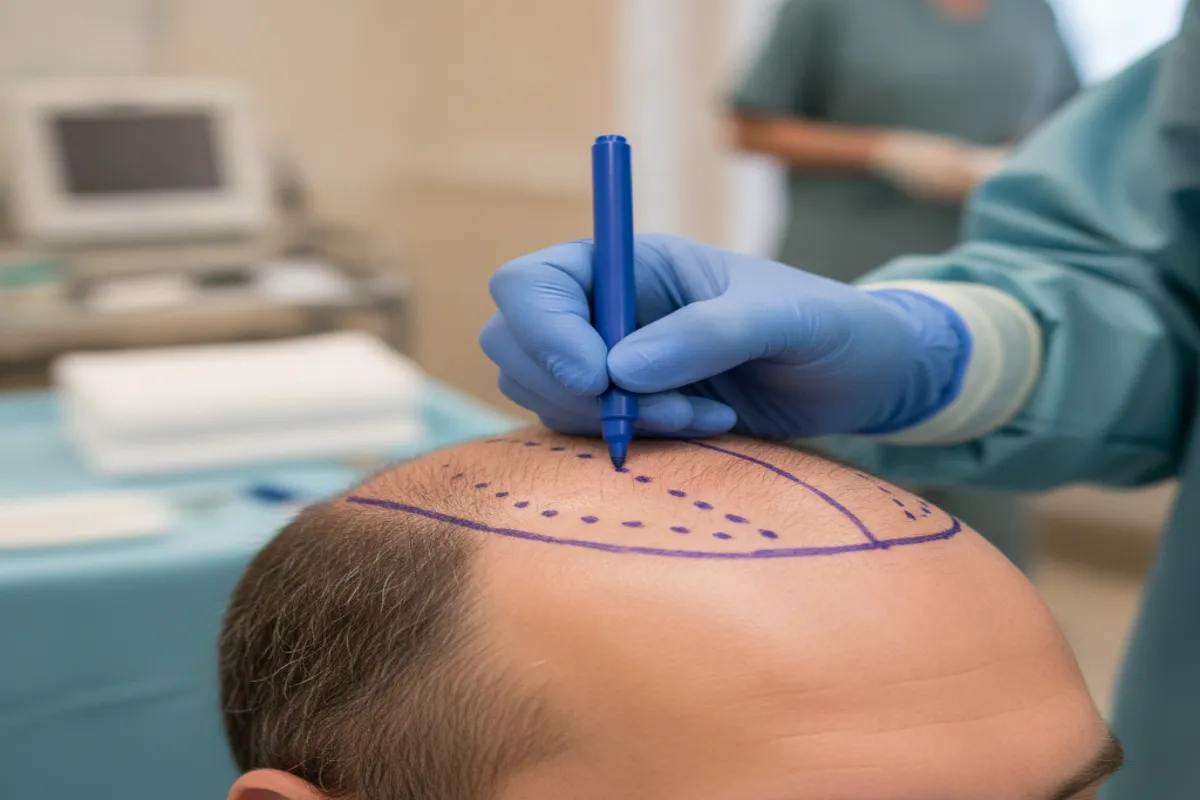
Graft count is the single biggest driver of what a hair transplant costs, so getting an honest estimate is the first thing worth doing. It is also the number clinics are most tempted to inflate. Here is what the figures actually look like.
Grafts decide your price
Almost every quote is, underneath, a graft count multiplied by a per-graft rate. That is why an inflated graft count is the most common pricing trap, and why an honest estimate protects you. The ranges below are typical surgeon quotes; your real number depends on your hair characteristics, the area treated, and the density you are aiming for. Plug any of them into our cost estimator to see the all-in total.
By Norwood stage
The Norwood scale is the standard way to describe male pattern hair loss, from minor recession (stage 2) to extensive loss (stage 7). See our full Norwood scale guide for each stage.
| Stage | What it looks like | Typical grafts |
|---|---|---|
| Norwood 2 | Slight recession at the temples | 800–2,400 |
| Norwood 3 | Deeper temple recession (first "balding" stage) | 1,500–3,000 |
| Norwood 4 | Recession plus a thinning crown | 3,000–4,000 |
| Norwood 5 | Larger bald areas, narrowing bridge | 3,500–5,000 |
| Norwood 6 | Front and crown merge; bridge gone | 5,000–7,000 |
| Norwood 7 | Only a band around the sides and back | 6,000–8,000+ |
Estimate, not a quote. Stages 6 to 7 can exceed what the donor area can safely supply for full coverage, which is why surgeons often prioritize the front.
Norwood stage, grafts and cost at a glance
By zone
Where you place grafts matters as much as how many. The crown is the most graft-hungry zone because of its spiral growth pattern and large area.
| Zone | Typical grafts |
|---|---|
| Hairline only | 500–2,500 |
| Temples | 300–800 |
| Crown | 1,000–3,000 |
| Front + crown | 4,000–6,000 |
What "density" means
Surgeons usually place around 30 to 50 grafts per square centimeter. Native hair is denser than that, so a transplant aims for the illusion of fullness rather than original density. Wanting maximum density everywhere raises your graft count, and therefore your cost, fast. A good plan spends grafts where they show most: the frontal third and hairline.
One session or two?
Up to roughly 4,000 grafts can often be done in a single session. Larger cases, or patients who want both the hairline and crown rebuilt, are frequently staged across two procedures, partly to protect graft survival and partly to preserve the donor area. Staging also spreads the cost, though two sessions usually total more than one.
Donor-supply figures are corroborated by the American Hair Loss Association and the ISHRS; graft ranges are sourced across multiple references (2024–2026). See our sources and method.
Frequently asked questions
How many grafts do I need for a hair transplant?
How many grafts for a Norwood 4?
How many grafts can I get in one session?
How many grafts can you get in a lifetime?
All cost figures are market estimates, not quotes, and pricing varies by clinic and individual case. GraftCost is independent and not affiliated with any clinic. This is general information, not medical advice; consult a qualified hair-restoration physician before making decisions.